
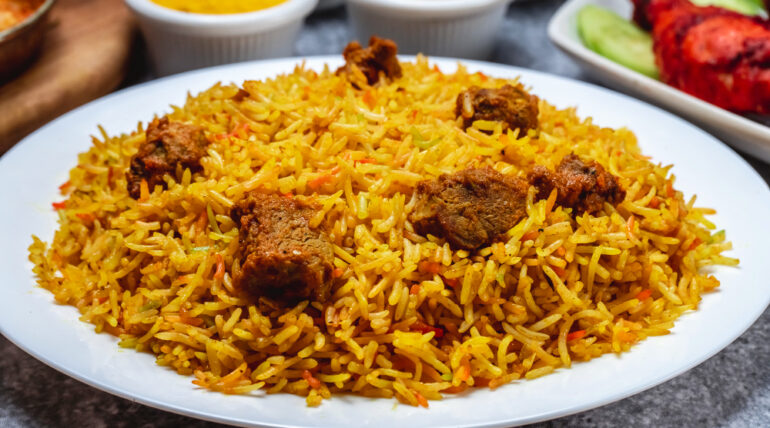
Pilau is one of those dishes that can make a whole home feel alive. The smell of toasted spices, caramelized onions, and that rich meat broth soaking into every grain of rice—done right, it’s unforgettable. Done wrong, though, pilau can be frustrating: the rice might be perfect but the meat is chewy, dry, or bland.
Here’s the truth: your meat cut matters just as much as your spices. The best pilau isn’t just “rice + meat.” It’s a carefully built balance of flavor, fat, collagen, bones, and timing—so the meat turns tender and the broth becomes the “seasoning liquid” that makes pilau taste deep and complete.
In this guide, we’ll break down the best beef and goat cuts for pilau, why they work, how long they need, and how to order them from your butcher so you get consistent results every time.
What Makes a Cut “Pilau-Perfect”?
Not every cut behaves the same in a pot. Some pieces are lean and cook fast, but they don’t add much flavor to the broth. Others take longer but give you that rich, restaurant-style pilau taste.
A pilau-perfect cut gives you three things:
1) Big flavor (for the broth)
Pilau gets its signature taste from cooking rice in a liquid that’s already full of flavor. Meat contributes:
- Bones (which enrich the broth)
- Fat (which carries and spreads spice aroma)
- Collagen/connective tissue (which melts into gelatin and gives body)
If you’ve ever had pilau that feels “thick,” rich, and satisfying even without a lot of oil—that’s usually gelatin from collagen-rich cuts.
2) Tender texture (without drying out)
Pilau meat should be:
- soft enough to bite easily,
- juicy enough to feel rich,
- and sturdy enough to hold shape in the rice.
Cuts with some fat and connective tissue are more forgiving. Very lean cuts can turn tough if you rush them.
3) Practical timing (so the rice and meat finish well)
Rice has a fairly fixed cooking window. Many good pilau cuts need longer. The trick is simple:
- Tenderize the meat first by simmering it to create broth,
- then cook the rice in that broth.
This way you don’t overcook rice while waiting for meat to soften.
Quick rule to remember:
For the richest pilau, choose bone-in, collagen-rich cuts and simmer first to build a strong broth.
Beef: Best Cuts for Pilau (Ranked)
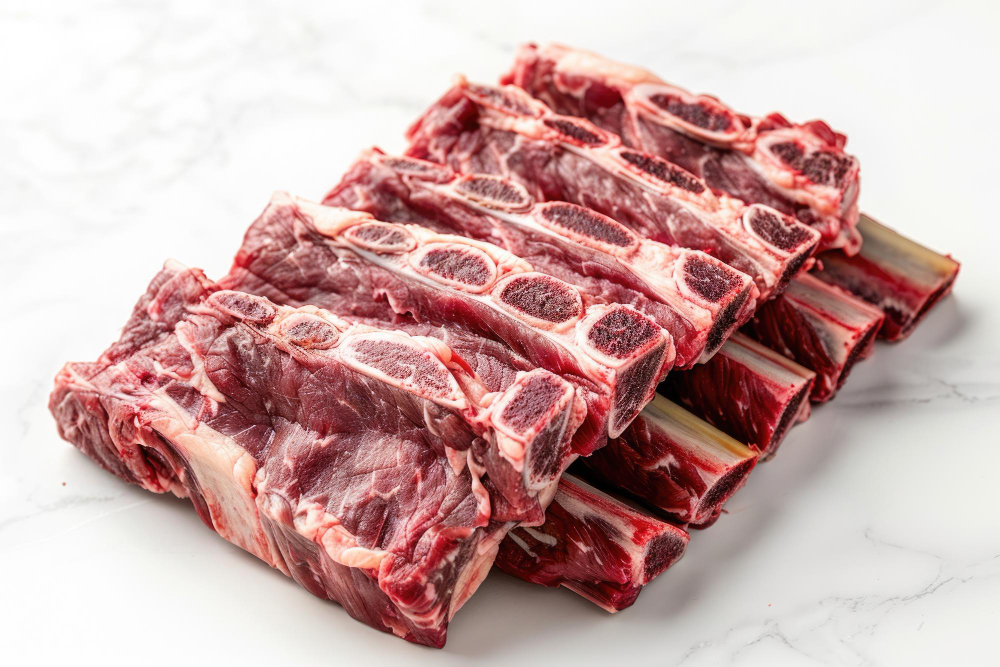
Beef pilau can be rich, comforting, and crowd-friendly. The best cuts are the ones that create a flavorful broth while becoming tender with simmering.
A) Beef Short Ribs (bone-in) — Top Flavor
If you want “special occasion pilau,” short ribs are hard to beat.
Why it works
- Bones add depth.
- Fat keeps meat juicy.
- Collagen melts into the broth, giving it a luxurious feel.
Best for
- restaurant-style pilau,
- guests,
- celebrations.
How to cook it
- Brown the ribs well first (deep color = deep flavor).
- Simmer until tender, then use that broth for the rice.
Tip: If you don’t want the pilau too heavy, you can skim some fat off the broth before adding rice.
B) Brisket — Tender & Beefy
Brisket is collagen-rich and becomes beautifully tender when cooked patiently.
Why it works
- High collagen content turns into gelatin.
- Strong beef flavor.
- Great for large pots.
Best for
- family pilau,
- meal prep,
- big weekend cooking.
How to cook it
- Cut into medium cubes (not too small).
- Simmer longer until it softens.
- Don’t rush it—brisket rewards patience.
Tip: Brisket can shrink and dry if cut too small too early. Keep cubes a bit larger than stew meat.
C) Chuck / Shoulder — Best Value All-Rounder
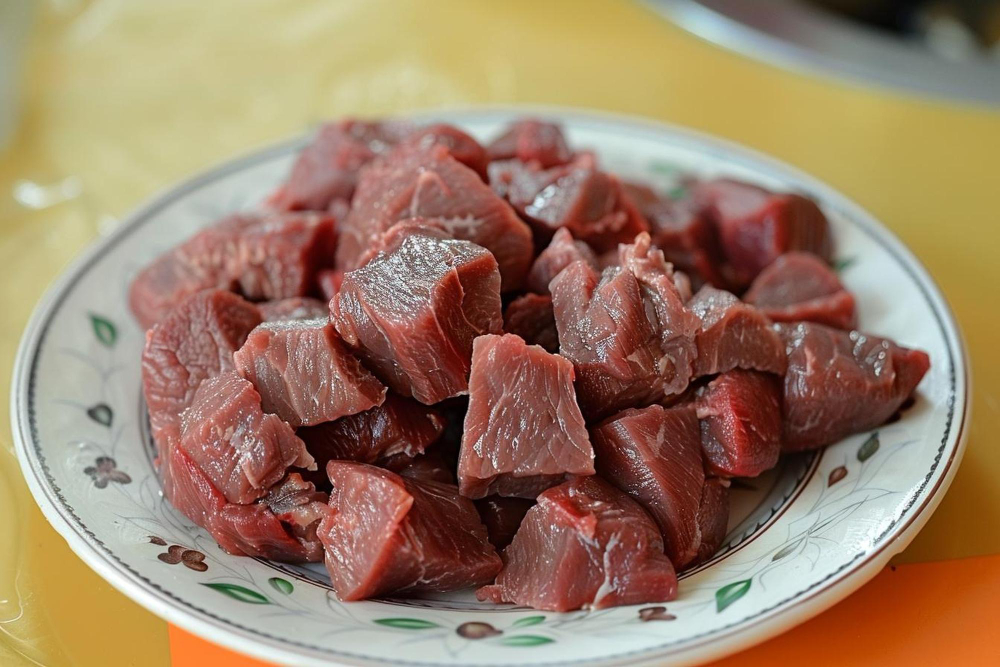
If you want consistent, everyday pilau without overspending, chuck (shoulder) is your best friend.
Why it works
- Good marbling (fat inside the meat).
- Balanced texture.
- Forgiving if your timing isn’t perfect.
Best for
- weekly pilau,
- home cooks,
- anyone who wants a reliable cut.
How to cook it
- Brown first.
- Simmer until tender.
- Then proceed with rice.
Tip: Chuck is one of the easiest cuts to get “right” even if you’re still mastering pilau.
D) Shank (with bone) — Broth Booster
Beef shank is famous for making broth taste like it has been simmering all day—even if it hasn’t.
Why it works
- Very high collagen = gelatin-rich broth.
- Bone adds depth.
- Gives pilau a “full-bodied” mouthfeel.
Best for
- deep, aromatic pilau,
- anyone who loves rich broth.
How to cook it
- Shank takes longer to tenderize.
- Simmer until the meat is soft.
- If you’re in a hurry, combine shank with a faster-tender cut like chuck.
Tip: Even a small amount of shank can upgrade the whole pot. Think of it as a “flavor engine.”
E) Sirloin / Rump — Fast but Lean (Optional)
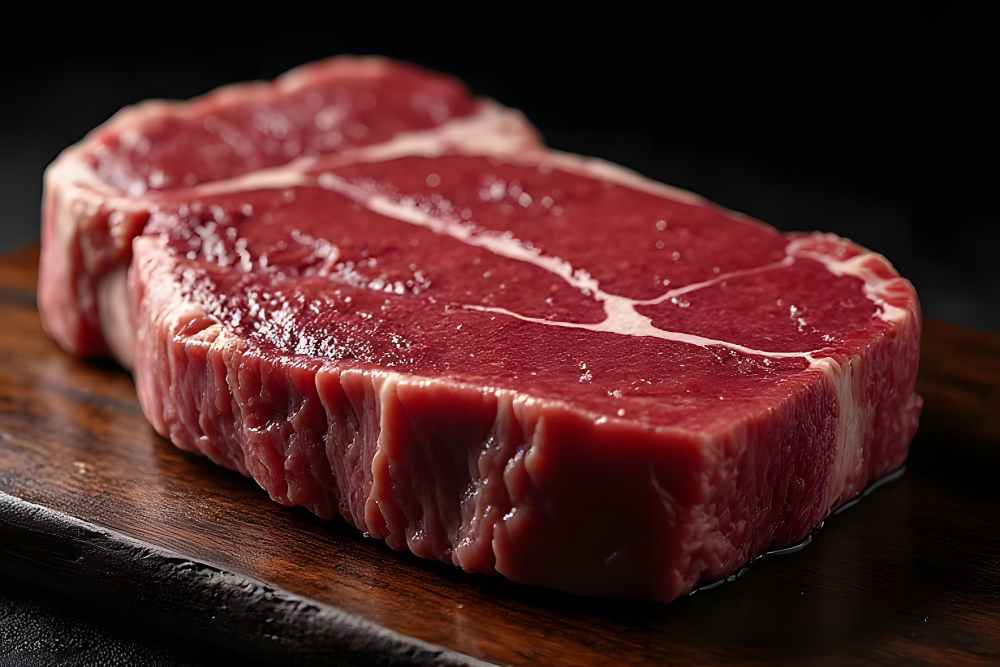
These are not “classic pilau cuts,” but they can work when you need speed.
Why it can work
- Tender relatively quickly.
- Clean beef taste.
What you lose
- Less broth richness.
- Can dry out if overcooked.
Best for
- quick pilau,
- lighter pilau,
- people who prefer lean meat.
How to cook it
- Sear hard.
- Simmer gently for a short time (don’t overdo).
- Boost broth with bones or stock if possible.
Beef Cuts to Avoid (or Use Carefully)
Very lean cuts (topside/round) can turn dry and chewy in pilau, especially if boiled hard or cooked too long.
If you must use them:
- cook gently (no aggressive boiling),
- add broth boosters (a few bones or a shank piece),
- and avoid tiny cubes.
Goat: Best Parts for Pilau (Ranked)
Goat pilau is a favorite in many households because goat’s flavor stands up beautifully to spices. But goat can also become chewy if you pick the wrong part or rush it.
A) Goat Shoulder — Pilau Champion
Goat shoulder is the most reliable, flavorful choice for pilau.
Why it works
- Good fat and connective tissue.
- Strong, pleasant goat flavor.
- Tenderizes well with simmering.
Best for
- classic goat pilau,
- coastal-style pilau,
- cooks who want consistent results.
How to cook it
- Brown well.
- Simmer until it softens.
- Use the broth for rice.
Tip: Goat fat is flavorful but can feel heavy if there’s too much. Skim lightly—don’t remove it all.
B) Goat Ribs / Breast — Maximum Aroma
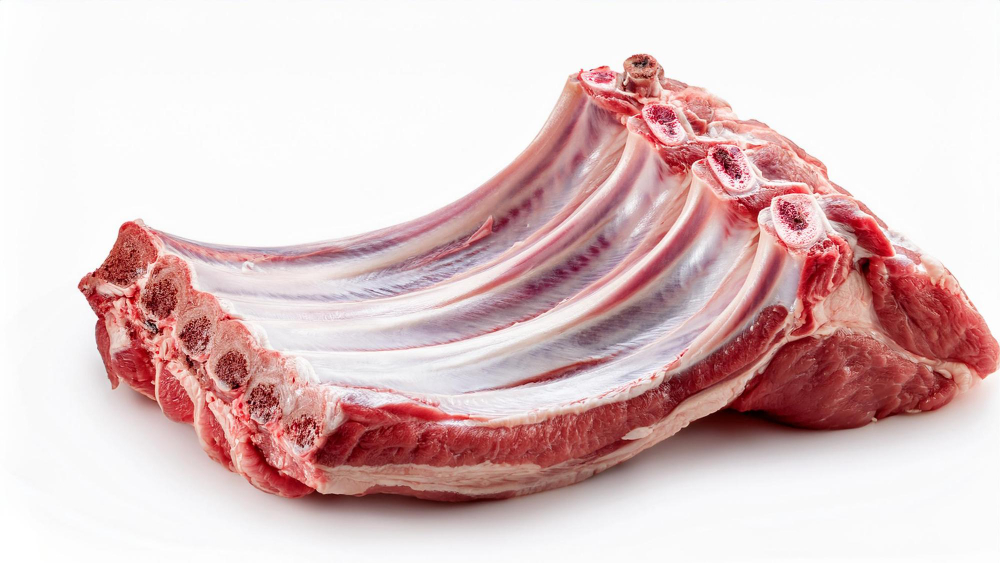
If you love pilau that smells amazing even before it’s served, ribs are powerful.
Why it works
- Bones enrich broth.
- Fat carries spices.
- Great for deep aroma.
Best for
- bold pilau,
- spice lovers,
- special meals.
How to cook it
- Brown first to avoid a “boiled” taste.
- Simmer gently and skim excess fat if needed.
Tip: Ribs are excellent mixed with shoulder—shoulder gives meatiness, ribs give extra broth flavor.
C) Goat Shank — Deep, Gelatin-Rich Broth
Shank is a broth maker. It’s not the fastest, but it’s one of the most rewarding.
Why it works
- Very high collagen for a silky broth.
- Rich flavor.
- Makes pilau feel luxurious.
Best for
- guests,
- restaurant-style results,
- anyone who loves rich pilau.
How to cook it
- Simmer longer until tender.
- Combine with shoulder if you want more “meat pieces” in the final dish.
D) Goat Leg — Lean & Clean (Good if handled right)
Goat leg is more lean, which some people prefer.
Why it works
- Meaty, clean taste.
- Less fatty.
What to watch
- Can become dry and chewy if overcooked.
- Needs gentle simmering.
How to cook it
- Keep chunks larger.
- Simmer gently until just tender.
- Consider adding a few rib pieces for broth depth.
Goat Parts to Avoid (or Use Carefully)
Very lean goat chunks with little fat can become chewy if rushed. If you’re serving guests and want guaranteed tenderness, stick to shoulder + ribs or shoulder + shank.
Beef vs Goat for Pilau: Which Should You Choose?
Both are excellent—your choice depends on the flavor profile you want and who you’re serving.
Beef pilau is:
- milder and more universally liked,
- rich and comforting,
- easier to balance for large crowds.
Choose beef if
- you’re cooking for mixed preferences,
- you want a “safe crowd-pleaser,”
- you’re cooking for kids or first-time pilau eaters.
Goat pilau is:
- bolder and more aromatic,
- festive and distinct,
- perfect for spice-forward pilau.
Choose goat if
- you love traditional strong pilau,
- you want something that feels special,
- you’re making pilau for a celebration.
Quick guide
- For first-time pilau cooks: beef chuck/shoulder
- For deep traditional pilau: goat shoulder + ribs
- For “luxury broth” pilau: beef/goat shank + a meaty cut
Portion Guide: How Much Meat to Buy
Portions vary by household, but these ranges work well for Nairobi and Dar-style pilau servings.
Per adult:
- 250–300g raw meat (bone-in needs more because of bone weight)
For 1 kg of rice:
Beef
- Bone-in: ~1–1.5 kg
- Boneless: ~1–1.2 kg
Goat
- Bone-in: ~1.2–1.6 kg
(goat cuts can have more bone, so you often need a bit more weight)
Tip: If you’re using ribs or shank mainly for broth, you can do a mix:
- 70% meaty pieces (shoulder/chuck/brisket)
- 30% broth boosters (ribs/shank/bones)
The Simple Method That Makes Any Pilau Cut Better
No matter which cut you choose, this approach gives you better flavor and tenderness.
Step 1: Brown the meat (don’t skip)
Browning creates deep flavor that spices cling to. If you throw meat straight into water, you’ll get a flatter taste.
How:
- Heat oil, add meat in batches.
- Let it get real color (not grey).
- Remove and set aside.
Step 2: Build your broth (this is the pilau secret)
After browning:
- Add onions (and garlic/ginger if you use them).
- Add whole spices (like cardamom, cloves, cinnamon).
- Return meat to the pot.
- Add water and simmer gently until tender.
This liquid becomes your pilau cooking broth.
Step 3: Control fat (keep flavor, avoid heaviness)
Pilau needs some fat for aroma, but too much can feel oily.
Do this:
- Let broth sit briefly, fat rises.
- Skim off only what looks excessive.
- Keep enough to carry the spices.
Step 4: Cook rice in the broth (measure carefully)
When meat is tender:
- Remove some meat if you prefer to keep pieces intact.
- Measure broth for your rice ratio.
- Add rice and cook until done.
Tip: Most pilau rice fails because the broth ratio is off. Measuring your broth is more reliable than guessing.
Common Pilau Meat Mistakes (and Easy Fixes)
“My meat is tough.”
Cause: cut needs more time, or you rushed simmering.
Fix: simmer longer at a gentle bubble (not a hard boil). Next time choose shoulder/chuck/shank.
“Rice cooked but meat isn’t.”
Cause: you tried to cook meat and rice together from raw.
Fix: pre-cook meat first, then cook rice in the broth.
“Pilau tastes flat.”
Cause: broth lacked bones/collagen or meat wasn’t browned.
Fix: add ribs/shank/bones, brown meat properly, toast spices, use the broth as your rice liquid.
“It’s too oily.”
Cause: fatty cut plus too much added oil.
Fix: skim excess fat from broth, or balance fatty cuts with leaner meat.
The Butcher Order Cheat Sheet (Copy/Paste)
When you’re buying meat, the way you ask matters. These phrases help your butcher give you exactly what you need for pilau.
For Beef Pilau
“Give me beef chuck/shoulder for pilau, medium cubes, and add a few shank bones for broth.”
Want premium?
“Give me short ribs for pilau, cut into serving pieces.”
For Goat Pilau
“Give me goat shoulder for pilau, medium pieces, and add some ribs for extra flavor.”
Want deep broth?
“Add a goat shank for a richer broth.”
Final Recommendations (If You Want Guaranteed Results)
If you’re not sure where to start, use these “safe” combos:
- Best everyday beef pilau: chuck/shoulder + a few shank bones
- Best premium beef pilau: short ribs (or brisket + shank)
- Best everyday goat pilau: goat shoulder
- Best “wow” goat pilau: shoulder + ribs (or shoulder + shank)
Pilau is all about building flavor layer by layer. The right cut makes that process easy—because it gives you a broth worth cooking rice in, and meat worth serving to guests.
If you’d like, Alswahil Meat can package this into a simple order style (for example: Pilau Beef Pack or Pilau Goat Pack) with the right mix of meaty pieces + broth boosters—so customers in Nairobi and Dar can get consistent pilau results every time.