
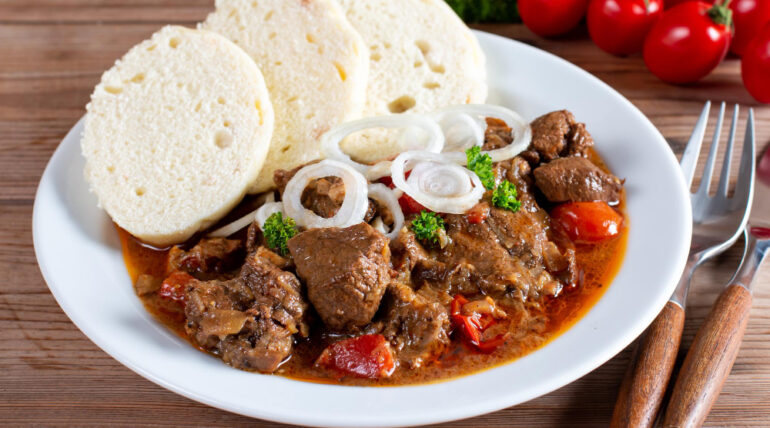
Ugali and beef stew is one of those meals that feels like home the moment it hits the table. The ugali is warm, firm, and comforting—made for scooping. The stew is rich, savory, and deeply satisfying—made for soaking into every bite. It’s a staple across many East African homes for a reason: it’s affordable, filling, and endlessly adaptable to what you have on hand.
But if you’ve ever made beef stew that looked perfect and smelled amazing… only to find the meat was tough, dry, or weirdly chewy, you’re not alone. The biggest secret to stew that stays tender and flavorful isn’t a special spice or a fancy pot—it’s choosing the right cut of beef and cooking it in a way that matches how that cut behaves.
This guide will help you do exactly that. You’ll learn which beef cuts turn beautifully tender in a stew, how to prep them, how to build an “ugali-perfect” gravy, and how to avoid the most common mistakes that ruin texture. By the end, you’ll be able to make a stew that’s thick enough to cling to ugali, rich enough to taste slow-cooked, and tender enough to make people go quiet after the first bite.
What “Tender” Really Means in a Stew
When people say they want “tender beef,” they usually mean beef that breaks apart easily with a spoon or gives way with minimal chewing. In stew, that tenderness comes from a specific transformation: collagen turning into gelatin.
Collagen vs. lean muscle
- Lean cuts (like some round cuts) are made of relatively tight muscle fibers with less connective tissue. Cook them too long and they can dry out and toughen.
- Collagen-rich cuts (like chuck, shank, and short ribs) contain more connective tissue. When cooked slowly, collagen melts into gelatin, giving you:
- softer meat,
- thicker, silkier gravy,
- deeper flavor and “body.”
Low-and-slow is a texture strategy
Stew meat doesn’t become tender because it cooks “a long time.” It becomes tender because it cooks gently. A hard boil makes muscle fibers tighten and squeeze out moisture. A steady simmer allows collagen to break down and moisture to stay where you want it.
Fat and bones are not the enemy
Fat carries flavor. Bones contribute gelatin and richness to the sauce. Some of the best ugali stews come from cuts that look “less neat” in the package—because the messiness is where the flavor lives.
The expensive-cut myth
Many people assume the best stew comes from “steak cuts.” But a ribeye or tenderloin is built for quick, high-heat cooking. In a stew, those cuts often end up bland or overcooked. Stew shines when you use cuts designed to benefit from time.
Best Beef Cuts for Ugali Stew (Tender + Flavorful)
If you want consistent results—meat that stays tender and gravy that tastes rich—start here.
A) Top choices (most reliable)
1) Chuck / shoulder
This is the classic stew champion. Chuck has a great balance of meat, fat, and connective tissue.
- Why it works: collagen melts into gelatin; fat adds flavor.
- Texture: tender chunks that still feel hearty.
- Best for: everyday ugali stew, meal prep, feeding a crowd.
2) Brisket
Brisket is deeply beefy and becomes incredibly tender with time.
- Why it works: long fibers + connective tissue soften beautifully.
- Texture: sliceable tender or spoon-tender depending on cook time.
- Best for: when you want a richer, “special” stew.
3) Short ribs (bone-in if possible)
Short ribs make stew taste luxurious even with minimal seasoning.
- Why it works: bones + collagen produce a thick, glossy gravy.
- Texture: melt-in-the-mouth meat if cooked long enough.
- Best for: weekend stew, guests, or when you want maximum flavor.
B) Budget-friendly options (with big payoff)
1) Shank
Shank is one of the best cuts for stew body and richness.
- Why it works: extremely gelatin-rich.
- Texture: tender but needs time.
- Bonus: gravy becomes naturally thick and silky.
2) Oxtail
Oxtail is famous for a reason: the flavor is deep and the gravy turns sticky and rich.
- Why it works: lots of collagen and bone.
- Texture: soft, gelatinous, deeply satisfying.
- Note: more bone than meat—plan portions accordingly.
3) Neck / bone-in stew pieces
Often overlooked, but excellent for stew flavor.
- Why it works: bones and connective tissue boost richness.
- Watch out: small bones—serve carefully, especially for kids.
C) Cuts to use carefully (and how to make them work)
1) Round (top round or bottom round)
Round is lean. It can work, but it’s not as forgiving.
- Risk: dryness or chewiness if cooked aggressively.
- How to make it work: gentle simmer, don’t overcook, and add more fat to the stew (oil or a fattier cut mixed in).
2) Sirloin
Sirloin can work for faster stews, but it’s best if you don’t cook it for hours.
- Best use: quick simmer stews where meat cooks just until tender.
- Avoid: long, aggressive cooking.
Choosing and Prepping Meat Like a Pro
Stew tenderness isn’t only about the cut. Prep matters too.
Choose the right chunk size
Aim for chunks around 3–4 cm (a generous bite). Too small and they dry out. Too large and the outside gets overcooked before the center softens.
Trim strategically
- Remove thick silver skin and hard membranes (they don’t melt nicely).
- Leave some soft fat—fat equals flavor and helps prevent dryness.
Optional: flouring for better browning and thicker stew
Dusting beef lightly with flour before browning can:
- improve crust and browning,
- help thicken the gravy later.
Don’t overdo it—just a light coating.
Parboiling vs. searing: when to do what
In many home styles, people parboil beef first, drain, then stew. It works and can be practical. But for deeper flavor, try searing.
- Parboiling: helps reduce foam/scum, speeds early tenderizing.
- Searing: builds deep flavor through browning, which makes the stew taste richer.
If you want the best of both worlds, you can do a quick parboil, drain, then sear briefly for flavor.
Building Flavor: The Stew Base (Ugali-Friendly Gravy)
An ugali stew needs a sauce that clings and coats. Not watery. Not thin. Not oily. Think: rich spoonfuls that sit happily on ugali instead of running off.
Core aromatics
- Onions: sweetness, depth, thickening.
- Garlic: savory punch.
- Ginger (optional): warmth and freshness, especially nice with tomato-based stews.
Tomatoes: the heart of the gravy
Tomatoes bring:
- tang,
- color,
- natural thickness when cooked down properly.
To avoid a raw tomato taste, cook tomatoes long enough until they darken slightly and the oil begins to separate.
Spices and add-ons (optional, but powerful)
Depending on your style, you can add:
- curry powder for warmth,
- cumin for earthiness,
- paprika for a gentle smoky note,
- bay leaf for background depth,
- black pepper and chili for bite.
Keep it balanced. Ugali is neutral and will highlight what’s in your stew—good or bad.
Liquid choices
- Water: perfectly fine, especially if you browned well.
- Beef stock: richer and deeper, great if you have it.
- Bone broth: boosts body and gives a “slow-cooked” feel.
Thickening without turning pasty
The best ugali stews thicken naturally:
- by reducing uncovered near the end,
- by using collagen-rich cuts,
- by cooking onions and tomatoes until they break down.
If you must thicken quickly, a small slurry (flour or cornstarch mixed with water) can help—but use it lightly so the stew stays glossy, not gluey.
The Core Method: How to Cook Beef Stew That Stays Tender
Here’s a reliable method that works for most cuts—especially chuck, brisket, shank, and bone-in pieces.
Step 1: Season early
Salt the beef before cooking. Salt isn’t just seasoning—it helps meat hold moisture and it builds flavor from the inside out.
Step 2: Sear in batches (don’t crowd the pot)
Heat oil in a heavy pot until shimmering. Brown the beef in batches.
- Browning adds depth and that “restaurant stew” taste.
- Crowding causes steaming, not browning.
Don’t chase perfection—just get nice color on a few sides.
Step 3: Sweat aromatics
In the same pot, add onions and cook until softened and lightly golden. Add garlic (and ginger if using) and cook briefly until fragrant.
Step 4: Add tomato and cook it down
Add chopped tomatoes or tomato paste (or both). Cook until:
- it darkens slightly,
- it smells sweeter,
- it loses the raw edge.
This step is what separates “tomato sauce with meat” from true stew flavor.
Step 5: Deglaze and build the sauce
Add a splash of water or stock and scrape the bottom of the pot. Those browned bits are concentrated flavor.
Step 6: Simmer gently (not a hard boil)
Return beef to the pot, add enough liquid to just cover (or nearly cover), then bring to a simmer.
- Simmer means small, gentle bubbles.
- A rolling boil will tighten meat and can keep it tough longer.
Step 7: Cook until fork-tender
This is where patience pays. The timeline depends on the cut:
- Chuck: often 1½–2½ hours
- Brisket: 2–3+ hours
- Shank/oxtail: 2½–4 hours
- Short ribs: 2½–3½ hours
Start checking when it seems close. If it’s still tough, it usually needs more time—not more heat.
Step 8: Adjust thickness and seasoning
Near the end:
- simmer uncovered to reduce and thicken,
- taste and adjust salt,
- add pepper/chili to finish.
Timing Guide by Cut (What to Expect)
Chuck / shoulder
- Best balance of tenderness and stew texture.
- Usually ready when the fork slides in easily and the meat starts to yield at the edges.
Brisket
- Needs time, then becomes deeply tender.
- If it’s “tough,” it’s probably not done yet—keep simmering gently.
Shank / oxtail
- Longest cook, biggest gravy payoff.
- The sauce becomes naturally thick from gelatin—perfect for ugali.
Round
- Lean and tricky.
- Cook gently, and stop when tender—don’t keep cooking “just because stew is supposed to cook long.”
Common Mistakes (And Easy Fixes)
Mistake 1: Boiling hard
Result: tough, dry, stringy meat.
Fix: lower heat to a gentle simmer and give it time.
Mistake 2: Crowding the pan when browning
Result: pale meat, flat flavor.
Fix: brown in batches. Your stew will taste twice as rich.
Mistake 3: Too much liquid
Result: watery stew that slides off ugali.
Fix: use less liquid upfront, then reduce uncovered near the end.
Mistake 4: Adding salt only at the end
Result: stew tastes “surface seasoned,” not deep.
Fix: season in layers—early, mid-cook, and final adjustment.
Mistake 5: Cutting meat too small
Result: dry chunks.
Fix: slightly larger pieces; they stay juicy longer.
Serving with Ugali: How to Make It Hit Perfectly
Ugali is a blank canvas. Your stew needs to be bold enough to carry the bite.
Ideal consistency for ugali
You want a stew that:
- is thick enough to coat a spoon,
- has gravy that clings to ugali,
- isn’t so thick that it feels heavy or pasty.
Finishing touches
Right before serving, try:
- chopped coriander for freshness,
- a squeeze of lemon for brightness,
- a little chili for heat.
Side ideas
- Sukuma wiki
- Cabbage
- Kachumbari
- Avocado
These add color, freshness, and balance to a rich stew.
Storage, Reheating, and Make-Ahead Tips
Why stew tastes better the next day
Overnight, flavors mingle and deepen. The fat settles, the spices mellow, and the sauce thickens slightly. It’s the ultimate make-ahead meal.
Reheating without drying the beef
Reheat gently on the stove with a splash of water or stock. Avoid blasting it at high heat for a long time.
Freezing
Beef stew freezes beautifully.
- Cool completely.
- Portion into containers.
- Freeze up to a few months.
When reheating from frozen, thaw overnight in the fridge when possible for best texture.
FAQ
What’s the best cut if I only have “stew meat” packs?
If it’s labeled “stew meat,” it’s often mixed. Treat it like chuck: brown well and simmer gently until tender. If some pieces are leaner, they may be done earlier—remove them and return later if needed.
Can I make it in a pressure cooker?
Yes. Pressure cookers can tenderize collagen-rich cuts quickly. Still brown the meat first for flavor, then pressure cook, and reduce the sauce afterward for the perfect ugali consistency.
How do I thicken stew without flour?
Cook onions and tomatoes down properly, use collagen-rich cuts, and reduce uncovered at the end.
Why is my beef still tough after cooking for a long time?
Usually one of two reasons:
- the stew boiled too hard, tightening the meat, or
- it simply needs more gentle time for collagen to break down.


